


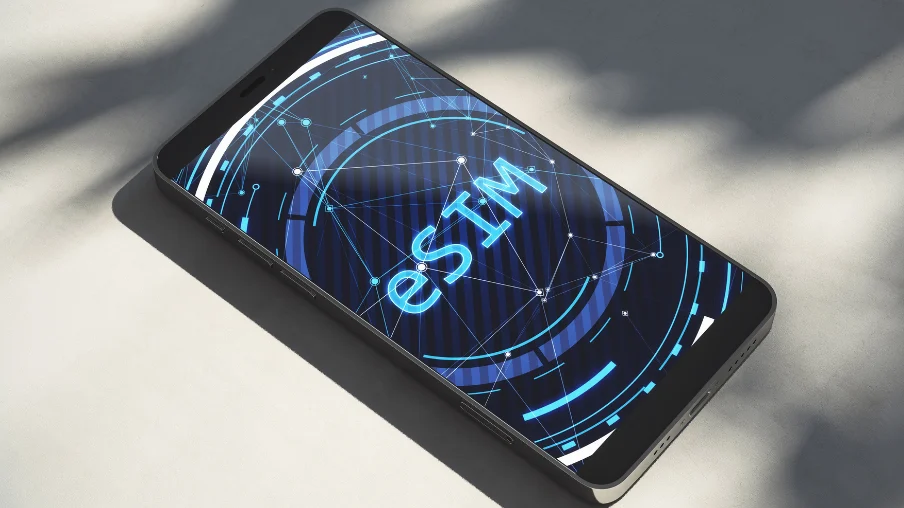
Advanced mobile networks alone are not enough to drive Gulf eSIM Adoption. Industry experts say the next stage of growth will depend on simple customer experiences, supportive rules and strong partnerships across different industries.
eSIM technology is now available on most modern smartphones. Many telecom companies also support it. Yet adoption continues to vary from one country to another. Experts believe the biggest challenge is no longer the technology itself. Instead, the focus has shifted to how easy it is for people to find, buy, activate and manage an eSIM.
Deepak Gusain, Chief Operating Officer of fintech marketplace Cartex, said the technology is already mature. Device support continues to grow and operator coverage is strong. However, many customers still face complex activation steps or do not fully understand how eSIM works.
He explained that digital connectivity should be simple from start to finish. If users face extra steps, complicated verification or limited access, the main benefit of eSIM becomes weaker.
The gap between technology and customer awareness also remains a major issue. Many telecom providers already offer eSIM services. Still, many smartphone users are unaware that their devices support the feature or how it can replace a physical SIM card.
According to Gusain, this is a common problem across digital services. Launching a new technology does not always create immediate demand. Customers first need clear information and an easy way to use the service.
Another important trend is the growing role of fintech companies in travel connectivity. Instead of selling eSIM as a separate telecom product, financial platforms can include it during normal travel planning.
For example, a customer may exchange currency, activate a travel card, buy insurance or book accommodation through one app. During the same process, the platform can also offer mobile connectivity. This removes extra steps and creates a smoother experience.
Research shared by Gusain suggests that customers who activate eSIM inside their main financial app remain more engaged over time than users who download a separate connectivity application. He believes reducing customer effort improves long-term retention even when the product itself stays the same.
The United Arab Emirates offers an interesting example of this trend. The country has advanced mobile networks, high smartphone ownership and strong telecom providers. Many devices sold in the country already support eSIM technology.
Despite these strengths, the UAE ranked lower than expected in a recent global eSIM adoption study. Gusain said this should not be viewed as a sign of weak telecom infrastructure.
Instead, he believes the ranking reflects the customer journey. Regulatory requirements and activation processes can slow digital onboarding. When customers must complete additional identity checks or face restrictions during activation, the overall experience becomes less convenient.
Some international travel eSIM providers may also face limitations after travelers enter the country. While domestic operators continue to offer strong services, fewer choices can create additional friction for visitors.
Gusain said this shows an important difference between excellent network infrastructure and an open digital marketplace. A country may have world-class mobile coverage while still facing barriers that reduce customer convenience.
Saudi Arabia provides a different example. Supportive digital policies and government initiatives have helped improve eSIM adoption. According to Gusain, regulatory support has played a major role in creating a smoother experience for consumers.
Across the Gulf region, the business opportunity remains significant. High smartphone ownership, frequent international travel and growing use of digital wallets create strong conditions for wider eSIM adoption.
However, experts believe technology alone will not determine future success. Regulations, telecom operators and digital platforms must work together to reduce customer effort during activation and use.
Gusain expects embedded connectivity to become the industry’s next major step. Instead of customers searching for an eSIM provider, connectivity will become part of banking, travel and shopping services they already use.
Telecom operators will continue providing network infrastructure, licensed spectrum and mobile services. At the same time, fintech firms, travel companies and digital platforms will focus on customer relationships and digital experiences.
He believes partnerships between these industries will create greater value than direct competition. Each sector can contribute its own strengths while improving the overall customer experience.
Looking ahead, Gusain expects eSIM to become less visible as a standalone telecom product. Instead, it will quietly support digital payments, travel planning and online services in the background. Companies that combine reliable networks with easy digital experiences and supportive regulation are likely to lead the next phase of Gulf eSIM Adoption.

