


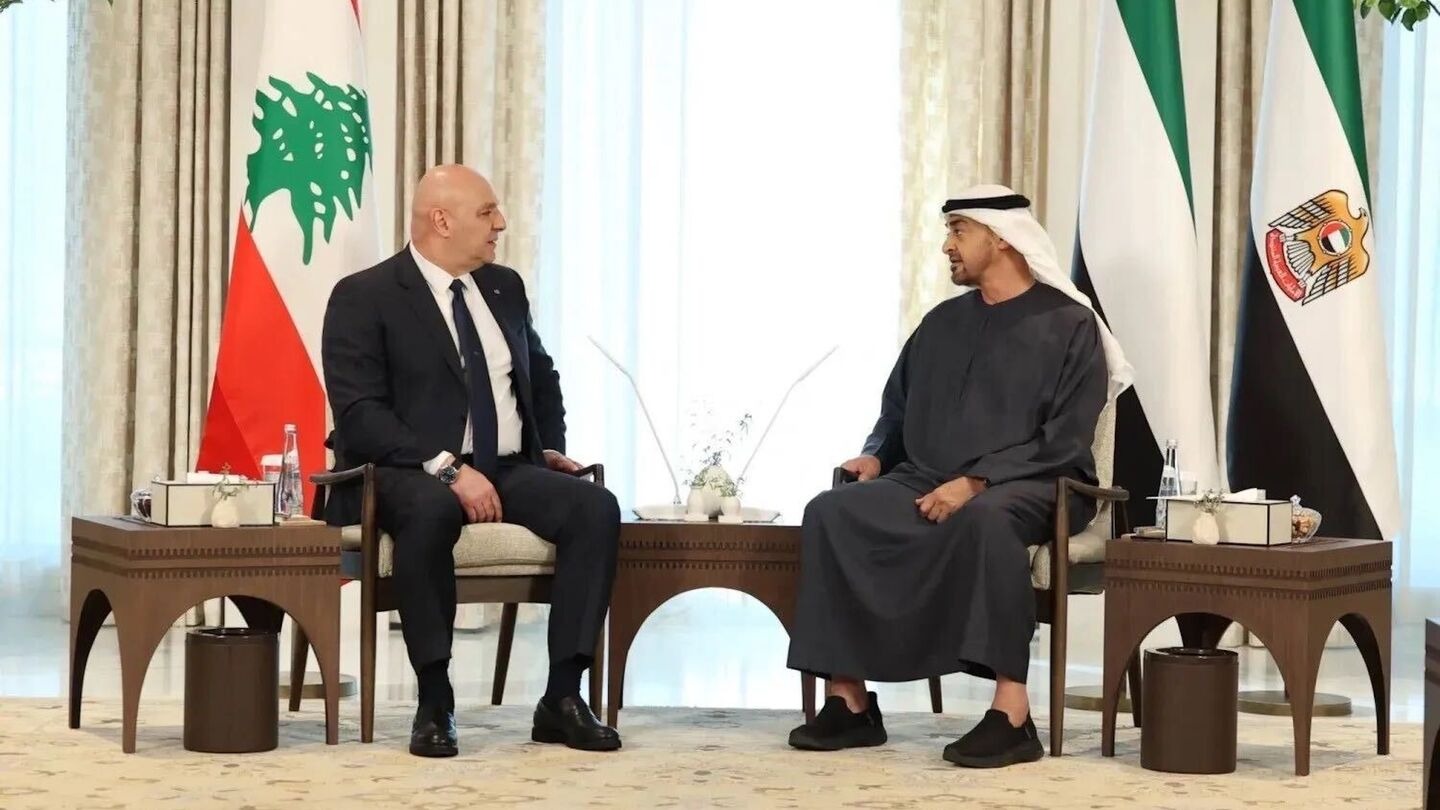
A large delegation from the United Arab Emirates is set to visit Lebanon this week in a move that signals growing economic cooperation and improving diplomatic relations between the two countries.
The delegation, led by UAE Minister of State for Foreign Trade Thani bin Ahmed Al Zeyoudi, will include approximately 70 business leaders, investors, and senior officials. The two-day visit to Beirut is expected to focus on investment opportunities, economic partnerships, and projects aimed at supporting Lebanon’s recovery from years of financial crisis.
The visit marks one of the most significant economic missions from the UAE to Lebanon in recent years and reflects renewed confidence in strengthening bilateral relations.
According to information released ahead of the visit, discussions are expected to cover a range of public and private sector opportunities.
Potential areas of cooperation include infrastructure development, transportation services, customs management, border facilities, and energy-related projects. Reports indicate that Emirati representatives will explore opportunities linked to Beirut International Airport, seaports, border crossings, and oil facilities.
The Lebanese Economic Organizations, which represents major business groups across the country, will host the visiting delegation.
Business leaders in Lebanon have welcomed the visit, describing it as an important step toward restoring economic cooperation between the two nations.
Officials say the initiative demonstrates the UAE’s willingness to support economic growth and encourage investment opportunities in Lebanon during a challenging period for the country’s economy.
Preparations for the visit have involved coordination between government officials from both countries.
Lebanese President Joseph Aoun recently met with Lebanon’s ambassador to the UAE to discuss arrangements and expectations surrounding the economic mission.
The visit comes amid a broader improvement in relations between Lebanon and Gulf countries.
For many years, the UAE was among Lebanon’s most important economic partners and investors. Emirati companies invested heavily in sectors including real estate, tourism, infrastructure, banking, and services.
Historical data show that the UAE accounted for a large share of Arab investment projects launched in Lebanon during the early 2000s and the following decade.
In addition to private-sector investment, the UAE also provided financial assistance and economic support to Lebanon through various development initiatives.
Relations between the two countries later faced challenges due to political tensions and regional developments.
Growing concerns among Gulf nations regarding Hezbollah’s influence in Lebanon contributed to a period of strained diplomatic ties. Those tensions reached a peak in 2021 when several Gulf countries reduced diplomatic engagement with Beirut.
As a result, investment flows slowed and economic cooperation declined.
Recent political changes, however, have encouraged a gradual restoration of relations.
Following the election of President Aoun in early 2025, diplomatic contacts increased between Lebanon and several Gulf states. The UAE subsequently took steps to rebuild engagement, including reopening diplomatic channels and encouraging renewed economic cooperation.
President Aoun has made strengthening ties with Gulf countries a key part of his economic and diplomatic agenda.
His efforts include seeking foreign investment, rebuilding confidence among regional partners, and attracting support for reconstruction and development projects.
These goals are particularly important as Lebanon continues to face severe economic challenges.
Since 2019, the country has experienced one of the deepest financial crises in its modern history. Economic instability, currency depreciation, banking sector difficulties, and rising living costs have placed significant pressure on households and businesses.
Additional strains have come from regional conflicts and disruptions affecting trade and investment.
International institutions continue to monitor Lebanon’s economic performance closely. Recent forecasts suggest ongoing challenges for growth, while inflation remains a concern for consumers and businesses alike.
Against this backdrop, the arrival of the Emirati delegation is being viewed as a positive signal for Lebanon’s investment climate.
Analysts say renewed interest from Gulf investors could help create opportunities in infrastructure, trade, logistics, tourism, and other key sectors.
While some financial disputes involving past investments remain unresolved, both countries appear committed to expanding cooperation and exploring new areas of partnership.
The UAE Lebanon Investment Talks are expected to provide an important opportunity for business leaders and government officials to identify practical projects that could strengthen economic ties and support long-term growth. As discussions begin in Beirut, attention will focus on whether the visit can translate diplomatic progress into meaningful economic results for both nations.

