


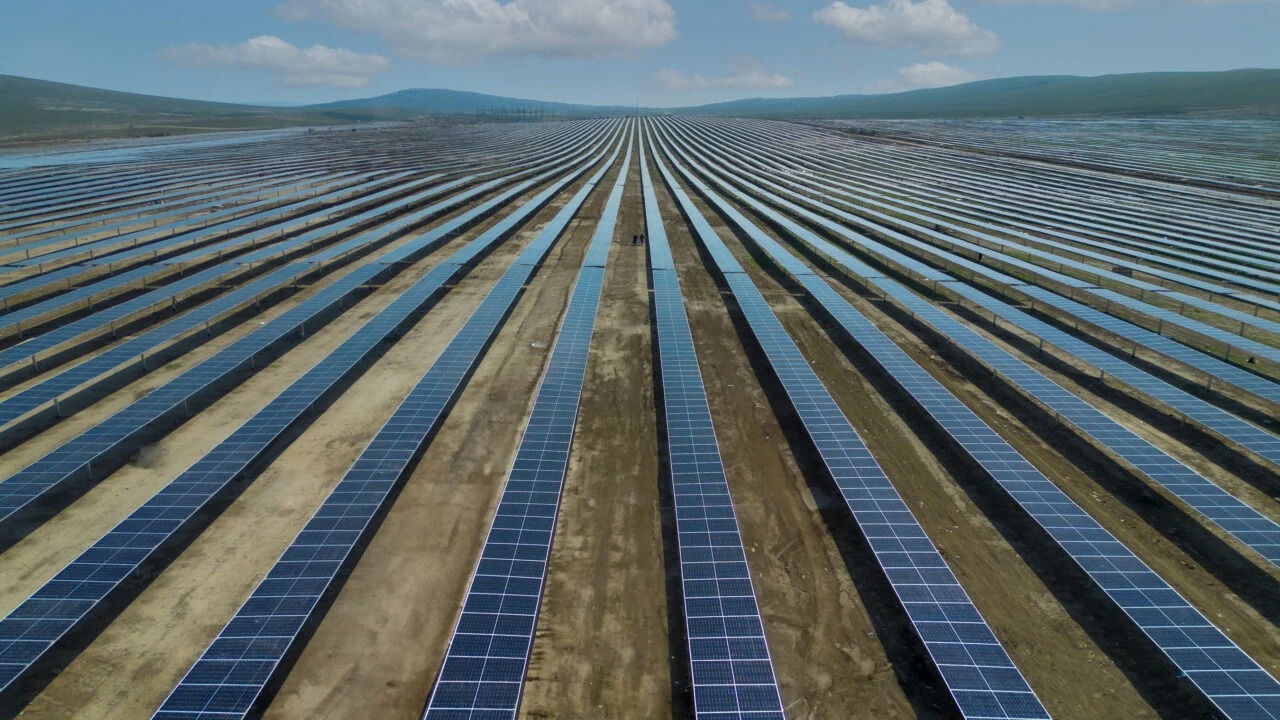
The United Arab Emirates has increased its renewable and nuclear energy target, aiming for these sources to supply 35 percent of the country’s energy mix by 2030 and 2031. The move reflects the nation’s growing commitment to clean energy and long-term energy security.
The updated target was announced by Energy and Infrastructure Minister Suhail bin Mohammed Al Mazrouei. He said reaching the new goal will require more energy projects, stronger competition in the power sector, and greater participation from private investors.
A key part of the strategy will be the expansion of round-the-clock solar power and energy storage systems. These projects combine large solar facilities with battery storage, allowing electricity generated during the day to be stored and used at night or during periods of high demand.
Al Mazrouei said falling technology costs have made solar power and battery storage more attractive than ever. Improvements in storage technology now allow energy to be stored for longer periods, increasing the value of solar power and reducing dependence on traditional generation methods.
The minister noted that solar-plus-storage systems are becoming increasingly competitive with conventional energy sources such as natural gas and nuclear power. He said the technology is now capable of providing reliable electricity while maintaining competitive pricing.
The updated energy plan also highlights the need for stronger electricity infrastructure. Investment in transmission networks and grid systems will be necessary to improve efficiency, reduce energy losses, and help lower costs for consumers.
Officials believe expanded interconnections with neighboring countries will further strengthen energy security and improve the movement of electricity across the region. These connections can help balance supply and demand while supporting the growth of renewable energy.
The UAE has already established itself as a major player in large-scale renewable energy development. The country benefits from high levels of solar radiation, vast desert areas suitable for solar projects, and strong government support for clean energy investment.
One of the most significant projects currently under development is a massive solar and battery storage facility led by renewable energy developer Masdar. The project is designed to deliver renewable electricity around the clock and is described as one of the largest developments of its kind in the world.
The facility combines 5.2 gigawatts of solar generation capacity with 19 gigawatt-hours of energy storage. The project represents an investment of more than six billion dollars and began construction in late 2025.
Industry experts view the project as an important milestone because it demonstrates how renewable energy can provide reliable electricity throughout the day and night. Traditionally, solar power has been limited by daylight hours, but large-scale storage systems are changing that reality.
Earlier this year, another major solar project reached financial close in Abu Dhabi. The Khazna solar development adds further renewable generation capacity and supports the country’s broader clean energy strategy.
The Middle East has emerged as one of the most competitive regions for solar energy development. Research from energy analysts shows that the region achieved some of the world’s lowest solar electricity costs in recent years.
Falling costs have been driven by improved technology, larger project sizes, and favorable natural conditions. As a result, solar power is becoming one of the most affordable sources of electricity available in many parts of the region.
The UAE’s decision to raise its renewable and nuclear energy target reflects confidence in these trends. Policymakers see clean energy as a key part of economic growth, energy security, and environmental sustainability.
As new projects move forward and technology continues to improve, the country is positioning itself as a leader in the transition toward cleaner and more reliable energy systems. The expanded target signals a major step in the UAE’s effort to build a diversified energy future while reducing dependence on traditional fuel sources.

