


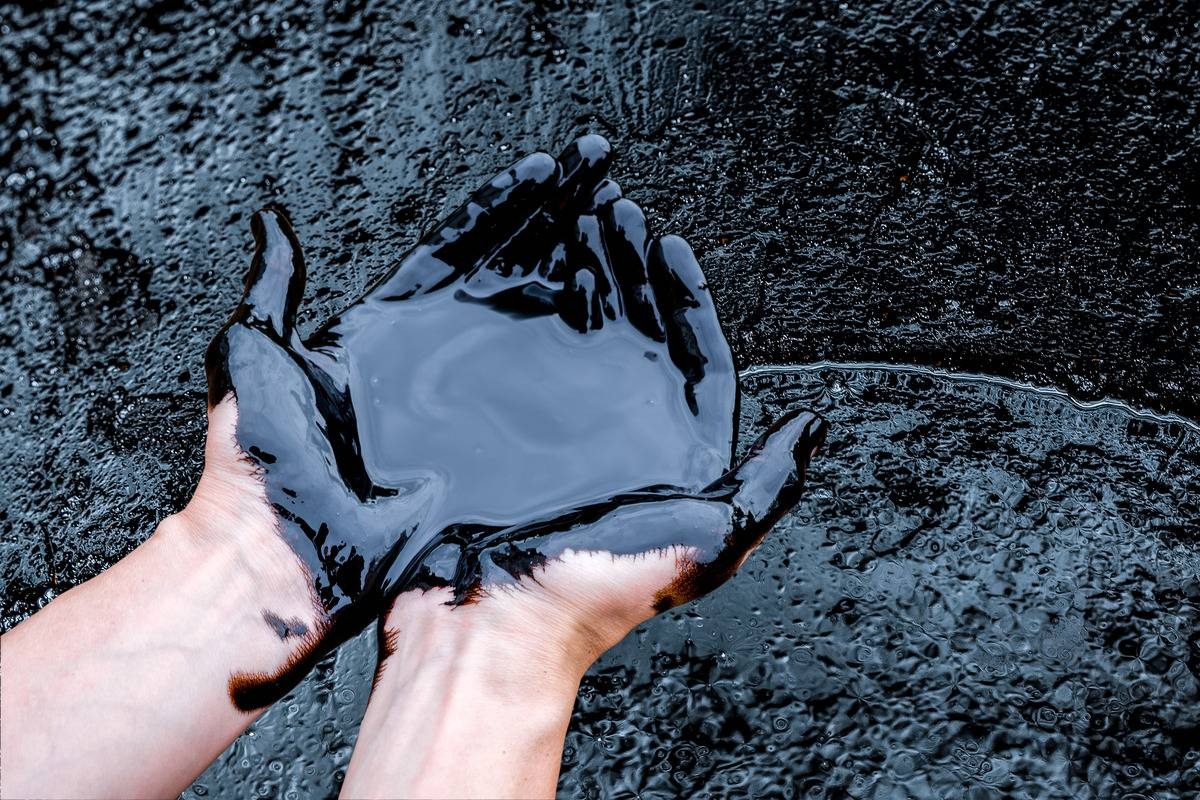
The UAE oil spill has prompted beach closures and safety warnings as authorities work to stop oil leaking from a tanker off the country’s northern coast. Officials have launched containment efforts and are assessing the possible damage to marine life and coastal areas.
The UAE Ministry of Climate Change and Environment said on Friday that teams were working to contain the leak. Officials were also checking the affected waters to determine the risks and identify the steps needed to protect the marine environment.
All beaches and coastal areas around Umm Al Quwain were temporarily closed. The restrictions will remain in place until technical teams complete their checks and set out the required safety measures.
The ministry urged fishermen and other sea users to stay away from affected waters and follow official instructions. Authorities in Sharjah also closed Al Hamriyah Beach as a precaution. The beach lies on the UAE’s northern coast, close to the border with Umm Al Quwain.
The incident has raised concern about the risk of oil reaching sensitive coastal areas. The UAE depends heavily on desalination plants for drinking water. Its ports, industrial sites and other key facilities are also located along the coast.
Analysts Identify the Tanker
UAE authorities have not named the tanker involved or confirmed what caused the spill. The environment ministry did not immediately respond to a request for comment.
Martin Kelly, chief executive of Orbital Risk Intelligence, told Reuters that the leaking vessel was the Gem No.2. Analysts said satellite images from October 19 and October 21 appeared to show a large oil slick coming from the tanker.
Leon Moreland, a researcher at the Conflict and Environment Observatory, said the slick covered about 160 square kilometers. He said the size and position of the slick suggested that it was coming from the ship.
Moreland also warned that the slick’s location close to shore increased the risk to nearby beaches and sensitive habitats. Oil reaching these areas could harm marine life and affect coastal ecosystems.
Shipping sources reported on October 9 that the Gem No.2 had been hit by an unidentified projectile about 13 nautical miles west of Al Jazeera in the UAE. The strike caused a fire, which was later put out.
No group claimed responsibility for that incident. Maritime security sources said at the time that the attack took place outside the Strait of Hormuz. The incident added to concerns that risks to commercial vessels were spreading across the region.
Earlier that week, another tanker was struck off the coast of Qatar, inside the Gulf. The incidents have increased concern about the safety of shipping routes since the US-Israeli war with Iran began.
Oil Slick Raises Water Supply Concerns
Maritime intelligence firm Windward first reported the oil leak on Tuesday. The company said a very large crude carrier-sized vessel was leaking oil about 25 kilometers off Umm Al Quwain.
Windward warned that sea currents could carry the slick southwest toward the UAE coast. Its drift model suggested that, if the leak continued, oil could reach desalination plant intakes and ports in Sharjah and Ajman around October 22 and 23.
The warning raised concerns about possible effects on drinking water production and coastal infrastructure. Desalination plants remove salt from seawater to produce fresh water, making clean coastal waters important to the country’s public supply.
Residents in parts of Sharjah, Ajman and Umm Al Quwain reported unusual smells on social media. The environment ministry said the reported odours did not pose a health risk.
However, the smell remained strong in Umm Al Quwain on Friday as containment work continued. Authorities have not yet provided a full account of the spill’s cause or its total environmental impact.
The beach closures are intended to limit public exposure while teams assess the affected areas. Officials will need to determine how far the oil has spread and whether it has reached sensitive habitats, water intakes or coastal facilities.
The spill also follows a separate tanker-related environmental incident in August. At that time, oil from a tanker that ran aground off Oman began reaching the mainland coast.
The latest incident highlights the environmental risks facing Gulf countries as commercial shipping comes under growing pressure. For the UAE, stopping the leak and keeping oil away from beaches, desalination plants and ports remain key priorities.

