


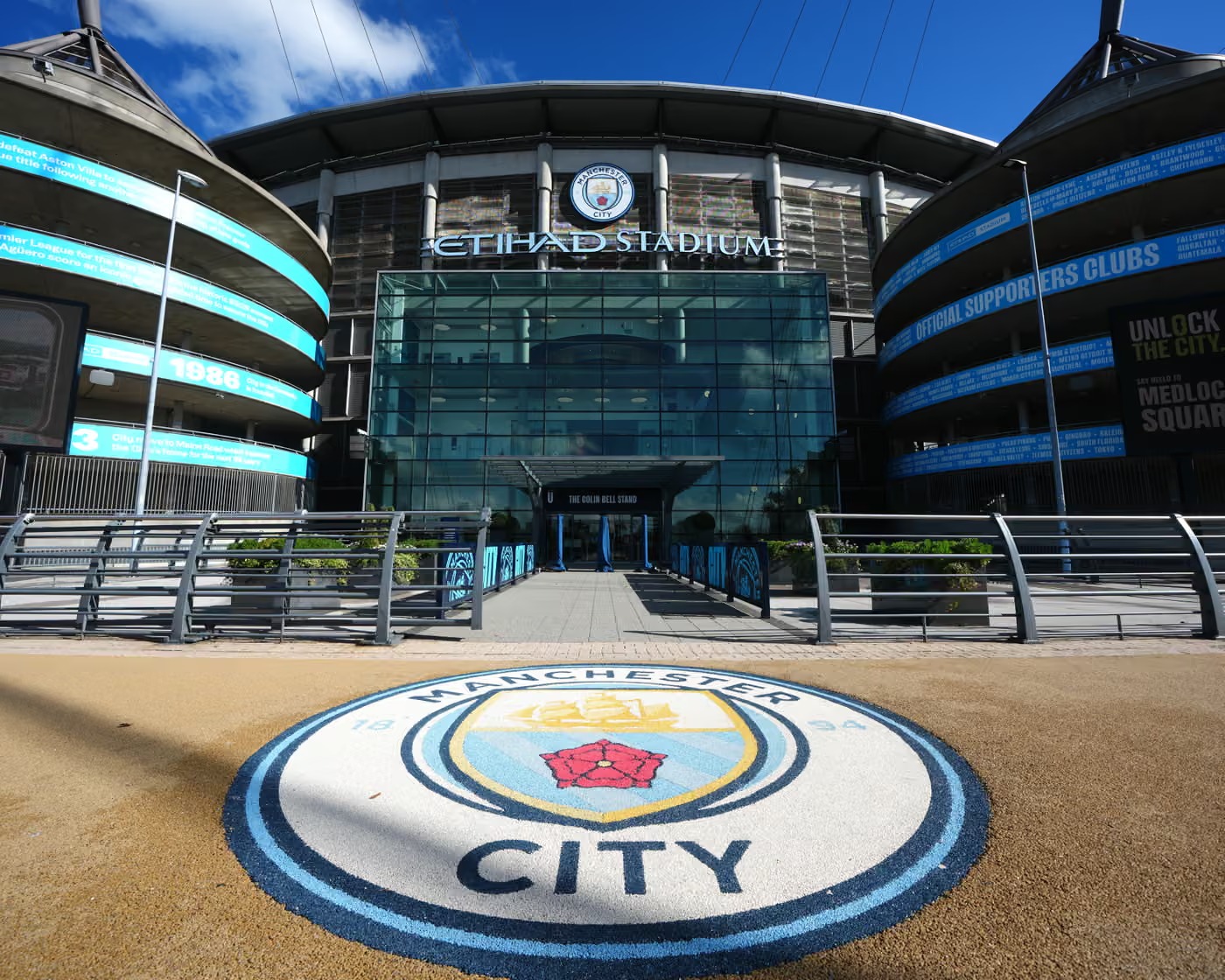
The fallout from the recent ruling against Manchester City has expanded beyond football, with reports suggesting that tensions are emerging between the United Kingdom and the United Arab Emirates over the case.
The Manchester City Verdict Fallout has attracted political and economic attention after reports indicated that Emirati officials may reconsider major investment projects in Britain following the decision by an independent commission.
The controversy stems from a ruling that found Manchester City guilty of most of the financial rule breaches brought against the club by the Premier League.
The league had charged the club with 115 alleged violations covering a period between 2009 and 2018. An independent commission later upheld 114 of those charges and issued strong criticism of the club’s conduct.
According to the ruling, several commercial arrangements were described as improper, with the commission using unusually strong language in its assessment of the evidence presented during the proceedings.
Manchester City has rejected the findings and filed an appeal.
Club officials argue that the ruling contains significant legal and factual errors. The club has maintained that evidence submitted during the case supports its position and demonstrates that it acted appropriately.
The dispute is now drawing attention beyond the sporting world.
Reports suggest that officials from the United Arab Emirates have expressed dissatisfaction with the outcome and the broader handling of the case.
According to those reports, Emirati representatives have indicated that the actions taken against Manchester City could influence relations between the UAE and the United Kingdom.
The reports further suggest that major investment projects could be reviewed as a result of the situation.
One project reportedly mentioned involves a large technology development initiative designed to support research, innovation, and business growth.
The proposed development has been compared to major technology centers known for attracting investment, talent, and advanced industries.
Although no official decision has been announced, reports that investment commitments could be reconsidered have attracted attention from political and business leaders.
The issue has also become part of a wider political discussion in Britain.
Government officials have faced questions regarding their relationship with Manchester City and its ownership group.
Attention increased after comments from senior political figures regarding the club’s owners and their role in the development of Manchester.
Some political leaders have praised the ownership group for its investments in infrastructure, community projects, and economic development around the city.
Supporters of the ownership point to large-scale investments that have transformed areas surrounding the club’s stadium and contributed to local growth.
Critics, however, argue that public officials should be cautious when commenting on a case that remains subject to legal appeals and ongoing scrutiny.
The debate intensified after questions were raised about whether public support for the club’s ownership could be viewed as inappropriate given the seriousness of the commission’s findings.
At the center of the dispute is the commission’s conclusion that certain sponsorship arrangements were not structured as presented.
According to the ruling, some sponsorship agreements involved funding arrangements that differed from the public description of those deals.
The commission concluded that financial support linked to the club’s ownership played a larger role than had been disclosed in certain transactions.
Manchester City strongly disputes those conclusions.
The club insists that it remains innocent of wrongdoing and has pledged to challenge the findings through the appeals process.
Legal experts note that the appeal could take considerable time before a final outcome is reached.
As a result, uncertainty is likely to continue for both the club and the wider football industry.
The Manchester City Verdict Fallout now extends beyond questions of sport and regulation. It has become a broader discussion involving investment, diplomacy, and economic relations between key international partners.
For now, attention remains focused on the appeal process and whether the reported concerns over future investment decisions will develop into concrete actions.
The final resolution of the case could have implications not only for Manchester City but also for the relationship between football, business, and international investment in the years ahead.

