


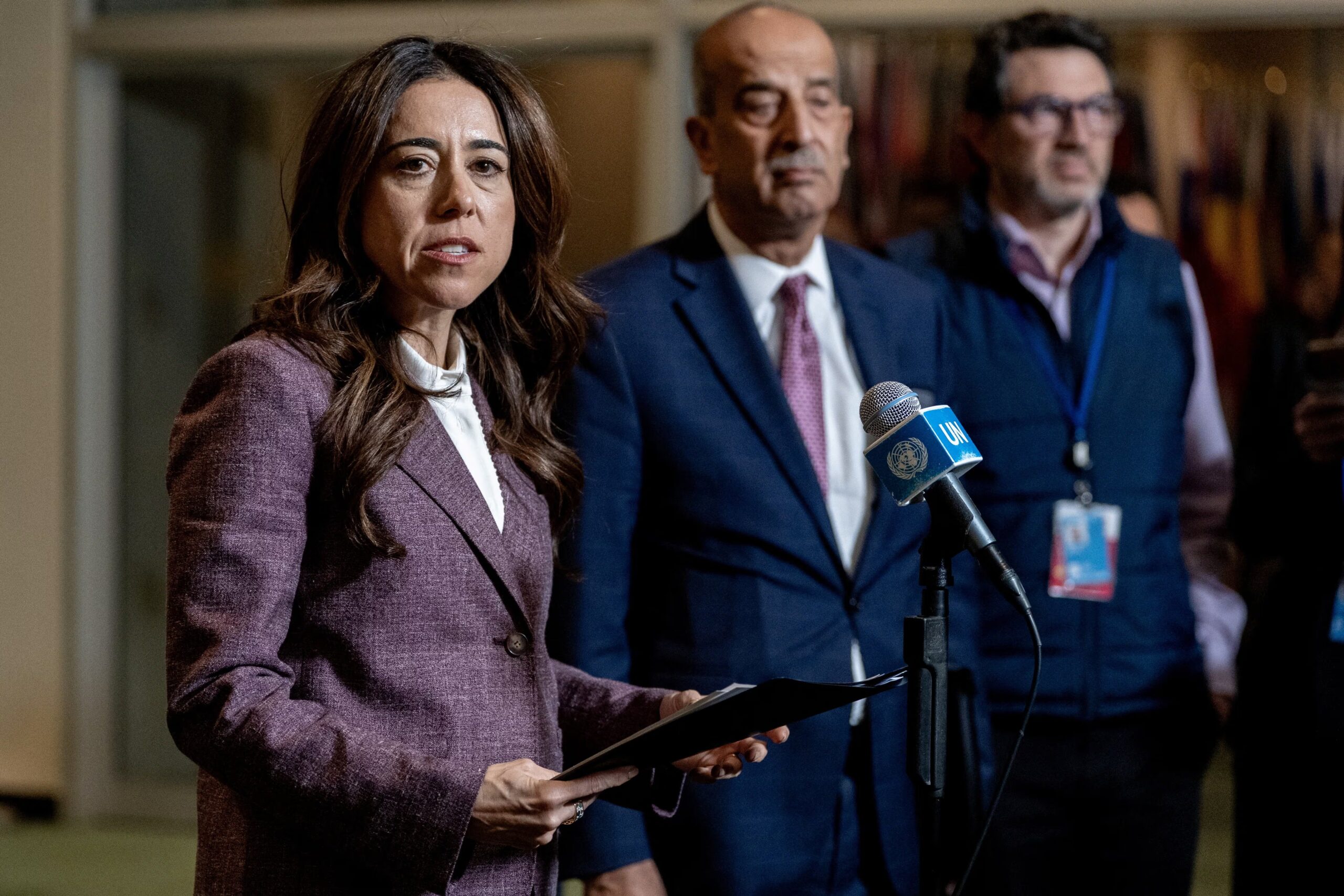
Human rights activists have raised concerns about Lana Nusseibeh’s bid to become the next United Nations chief. They say her defense of the United Arab Emirates (UAE) raises doubts about her ability to lead the global body. The criticism centers on the war in Sudan and claims that the UAE has helped the forces involved in the conflict.
Nusseibeh entered the race last week. Her move has changed a contest that had struggled to produce a clear winner. The current UN Secretary-General, Antonio Guterres, will finish his second five-year term this year. The next leader will face wars, aid crises and growing pressure on the United Nations.
Kenneth Roth, a former head of Human Rights Watch, criticized Nusseibeh during an online event on Tuesday. He said she had denied claims that the UAE was arming and backing Sudan’s Rapid Support Forces (RSF). Roth argued that a UN chief must face such concerns with honesty and respect for the facts.
He said her response raised serious questions about her moral standing. He also stressed that the next secretary-general should show strong support for human rights. The online event was organized by Avaaz, a group that runs public campaigns.
The event brought together Sudanese experts and a survivor of the violence in El Fasher. They discussed the risks of giving the top UN job to a senior UAE diplomat. They also raised concerns about the body’s duty to protect civilians and hold powerful states to account.
Sudanese advocate Husam Mahjoub also spoke against her bid. He founded the independent media outlet Sudan Bukra TV. Mahjoub said Nusseibeh’s election could place UN leadership in the hands of a diplomat who defends the UAE government. He argued that Sudanese civilians need the UN to hold all states to the same standards.
The criticism comes as Sudan faces one of the world’s worst humanitarian crises. The war began in April 2023 after a power struggle between Sudan’s military and the RSF. More than 14 million people have been forced from their homes. Many people face hunger, a lack of medical care and the threat of further violence.
A UN fact-finding mission said last month that foreign weapons, military technology, fighters and supply networks were helping keep the war going. Its findings referred to people and groups in the UAE, among others. The claims have added to calls for a clear response from the UAE over its alleged role in the conflict.
Nusseibeh addressed Sudan during a meeting with the UN General Assembly on Tuesday. She called the war one of the most terrible conflicts in recent history. She also condemned the atrocities committed by the RSF and said the loss of life was a tragedy.
She pledged to support UN fact-finding missions and efforts to secure justice. She said Sudan would be a top priority if she became secretary-general. She also promised to push for a ceasefire and a fair political process that reflects the hopes of the Sudanese people.
Speaking to reporters at the UN, Nusseibeh said she would take risks to help resolve conflicts. She said the secretary-general should play an active role in mediation. She also backed efforts to reach a ceasefire and build an inclusive path toward peace.
Nusseibeh has served as the UAE’s ambassador to the UN for more than a decade. She also led the country’s successful campaign for a non-permanent seat on the Security Council for 2022 and 2023. Diplomats in New York know her as a skilled negotiator and manager. They also praise her clear communication and knowledge of UN affairs.
Her experience has made her a familiar figure in the race. Yet her entry has added a new point of dispute to a contest that has failed to produce a clear favorite.
Former Costa Rican Vice President Rebeca Grynspan was the narrow frontrunner in an informal Security Council poll this month. Still, no candidate won broad support. Grynspan and the other contenders each received at least two opposing votes from the council’s five permanent members: Russia, China, the United States, France and Britain.
Those five countries hold a key role in the selection process. Their support will be vital for any candidate hoping to become the next UN chief. Diplomats are discussing another informal poll, which could take place as soon as Friday.
The new secretary-general will take office at a difficult time. The UN must respond to several wars and rising humanitarian needs while facing cuts in US contributions. Washington has also withdrawn from dozens of UN agencies. These moves have added to concerns about the body’s funding and political influence.
The race remains open, and no candidate has secured the backing needed to stand out as the clear choice. Nusseibeh’s candidacy has brought the UAE’s role in Sudan into sharper focus. The debate may now become a key test of how the next UN leader would address human rights, conflict and the conduct of powerful states.

