


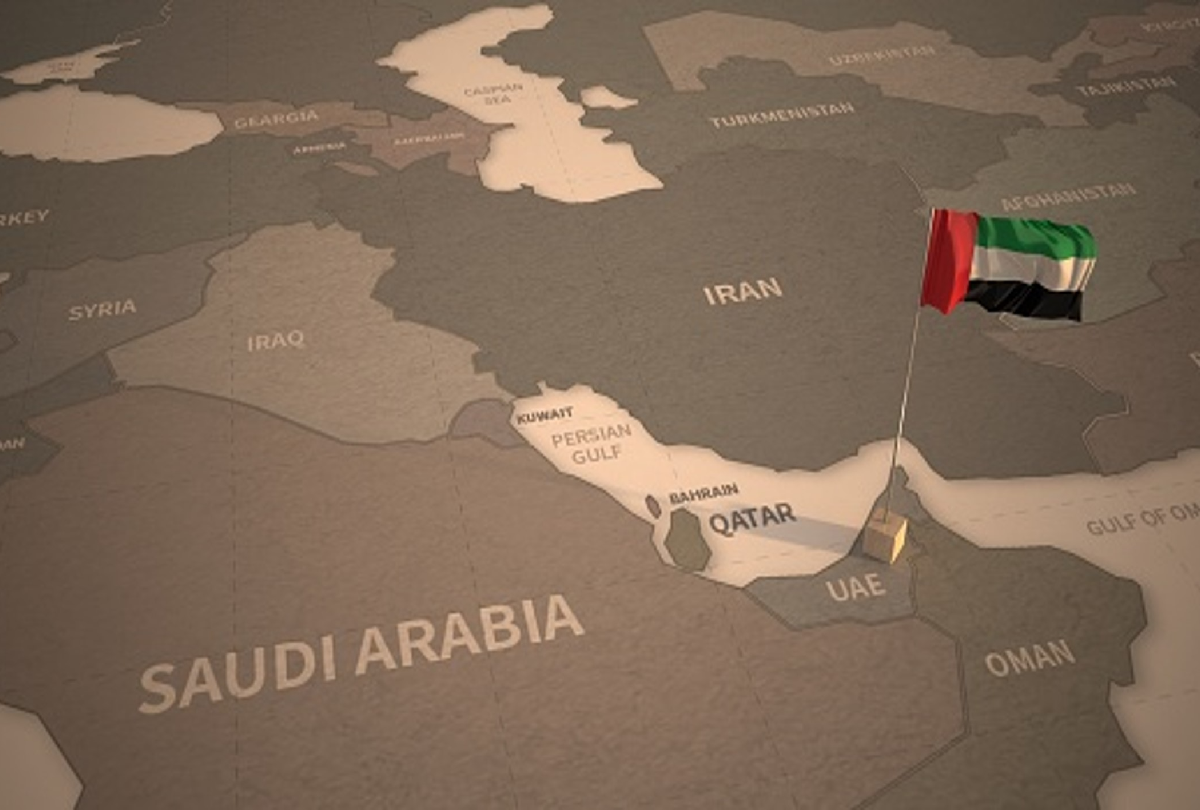
A drone attack from Iran sparked a fire at a major oil zone in the United Arab Emirates on Monday. The strike hit the Fujairah Oil Industry Zone and injured three Indian citizens. At the same time, UAE forces intercepted three Iranian missiles over the country’s waters. A fourth missile fell into the sea, the defence ministry said.
The Fujairah Media Office said civil defence teams rushed to the site to control the fire. The three injured Indian citizens suffered moderate injuries and were taken to hospital for care. Officials did not report further details about the damage or the full impact on oil operations.
The attack raised fresh fears about the safety of energy sites in the Gulf. It also ended a period of relative calm in the UAE after a ceasefire between Washington and Tehran took effect on April 8. Pakistan helped mediate the deal, which paused more than two months of intense fighting in the region.
The UAE defence ministry said its forces had intercepted three missiles. It added that another missile had crashed into the sea. The ministry shared the update on social media but gave few details about the location of the interceptions.
The UAE also issued mobile phone alerts in Dubai and Abu Dhabi on Monday. The warnings told people to prepare for the risk of missile attacks. The alerts came as the country faced a new threat from drones and missiles linked to Iran.
Iran’s Revolutionary Guards Navy also released a map that it said showed a wider area under Iranian control near the Strait of Hormuz. The map included the UAE ports of Fujairah and Khorfakkan, as well as parts of the coast near the emirate of Umm Al Quwain. Iranian news agencies reported the move.
The map could add to fears over shipping and energy supplies in the Gulf. The Strait of Hormuz is one of the world’s most vital oil routes. Large volumes of crude oil and other energy products pass through the narrow waterway each day. Any threat to the route can affect global oil trade and prices.
The UAE said it had intercepted and destroyed thousands of drones and missiles during the earlier period of intense fighting. Monday’s attack showed that the risk to the country’s energy sites remains, even after the ceasefire.
Fujairah has faced similar threats before. On March 14, a drone attack hit the Port of Fujairah and caused fires. The strike also forced the suspension of some oil-loading work. The latest incident has renewed concerns about the safety of the port and nearby oil facilities.
Fujairah plays a key role in the UAE’s oil export network. The port lies on the Gulf of Oman, outside the Strait of Hormuz. It is linked to inland oil fields by the Abu Dhabi Crude Oil Pipeline. The pipeline carries crude oil from Abu Dhabi to Fujairah, allowing shipments to reach global markets without passing through the Strait of Hormuz.
This route has become more important during the conflict with Iran. Threats to the strait have put pressure on oil flows across the Gulf. Fujairah offers the UAE another way to move crude oil to buyers around the world.
The latest fire could therefore raise concerns beyond the UAE. Energy markets watch any threat to oil sites, ports and shipping routes in the region. Damage to key facilities or a halt in loading work could affect supply plans and raise costs for traders and buyers.
However, officials have not yet shared a full account of the damage caused by Monday’s drone strike. It also remains unclear whether oil loading or other work at the Fujairah Oil Industry Zone was disrupted.
The attack came at a fragile point for regional security. The April 8 ceasefire had reduced the fighting after weeks of violence. But the new drone strike and missile interceptions show that tensions remain high.
The UAE now faces renewed pressure to protect its energy infrastructure and shipping links. Fujairah remains a vital route for oil exports, especially when the Strait of Hormuz is under threat. Any further attacks could deepen concerns about regional stability and the steady flow of oil to world markets.

