


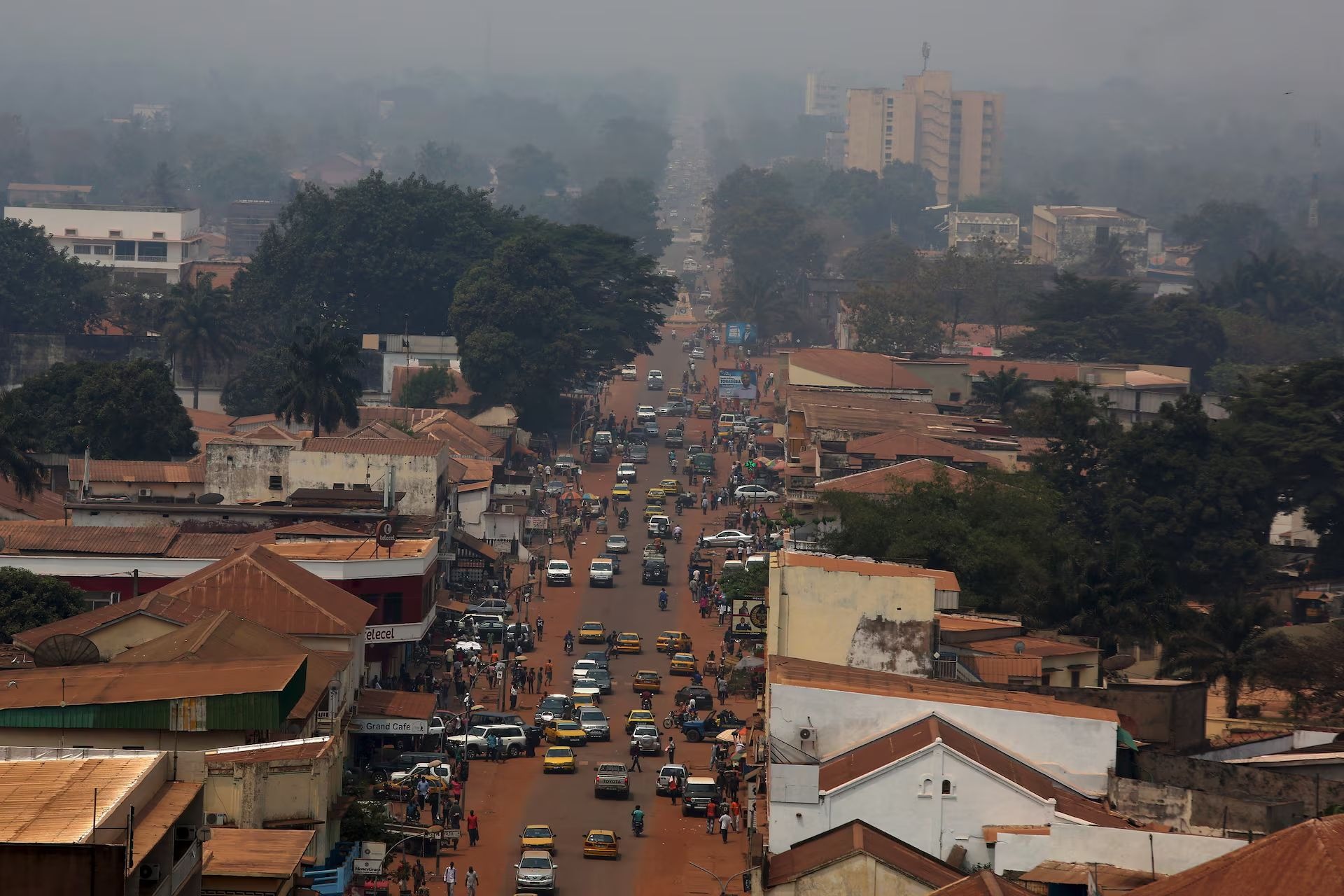
The Central African Republic reached a major energy milestone this week. The nation officially launched a new photovoltaic solar power facility.This milestone project will raise national electricity generation by over 60 percent. The site sits about 10 kilometers outside the capital city of Bangui. Local officials and foreign partners gathered to celebrate the opening.
Global South Utilities built and owns the massive energy complex.The firm operates out of Abu Dhabi. Work on the site moved quickly from start to finish. Crews completed the complex installation in just 10 months. The rapid completion highlights strong cooperation between both nations.
The new facility generates 50 megawatts of clean solar power.It also features a 15 megawatt hour battery system. This large battery stores excess energy during peak daylight hours. The stored power feeds into the grid when the sun goes down. Stored energy helps prevent blackouts and keeps power flow steady.
More than 300,000 households will gain power from this grid.Access to steady energy improves daily life for many families. Schools can keep lights on for classes late in the day. Medical centers can run vital equipment without sudden power losses. Clean power also helps small businesses grow and hire local workers.
Funding for the build relied on soft loan options. Concessional financing from the Abu Dhabi Fund for Development made the project possible. Managing Director Ali Alshimmari praised the effort. He noted that affordable funding helped bring clean power online quickly. The effort shows how partnership can solve real local needs.
This successful launch follows similar utility projects across the region.Global South Utilities previously built a 50 megawatt solar field in Chad.That past build proved the firm could deliver large solar farms in Central Africa.The new plant near Bangui expands its clean energy footprint even further.
Energy access remains a critical trial for the African nation.Data shows that only 18.2 percent of citizens had power access in 2024. Most rural towns still lack any connection to a main grid. Families often rely on costly diesel fuel generators or wood fire. High fuel costs and thin supply chains create daily stress for residents.
National leaders continue seeking global help to resolve these energy struggles. President Faustin-Archange Touadera met with foreign leaders to discuss power solutions. During a March meeting with Russian President Vladimir Putin, he asked for help with severe power shortages. The country welcomes aid from multiple international allies to build stable grid systems.
The new solar installation helps replace heavy reliance on fossil fuels.Burning diesel creates high pollution and strains national budgets. Solar energy harnesses abundant regional sunlight at low operational costs. Cutting fuel imports saves money that leaders can redirect toward health and education.
Local workers gained valuable skills during the 10-month construction phase. Engineers trained local staff to operate modern solar gear. These new skills support future infrastructure maintenance across the country. Ongoing operations will continue to create jobs for technical specialists.
The project sets a positive path for future regional development. Stable power attracts foreign investment into local industries. Factories can run machinery without fear of power outages. Tech firms can build reliable digital networks to connect citizens. Clean energy builds a baseline for long term economic growth.
Officials plan to build more renewable installations in coming years. Solar power offers a fast path toward full energy independence. The success near Bangui shows that large clean energy builds can happen fast. Citizens look forward to safer streets and better lit homes as power flows.

