


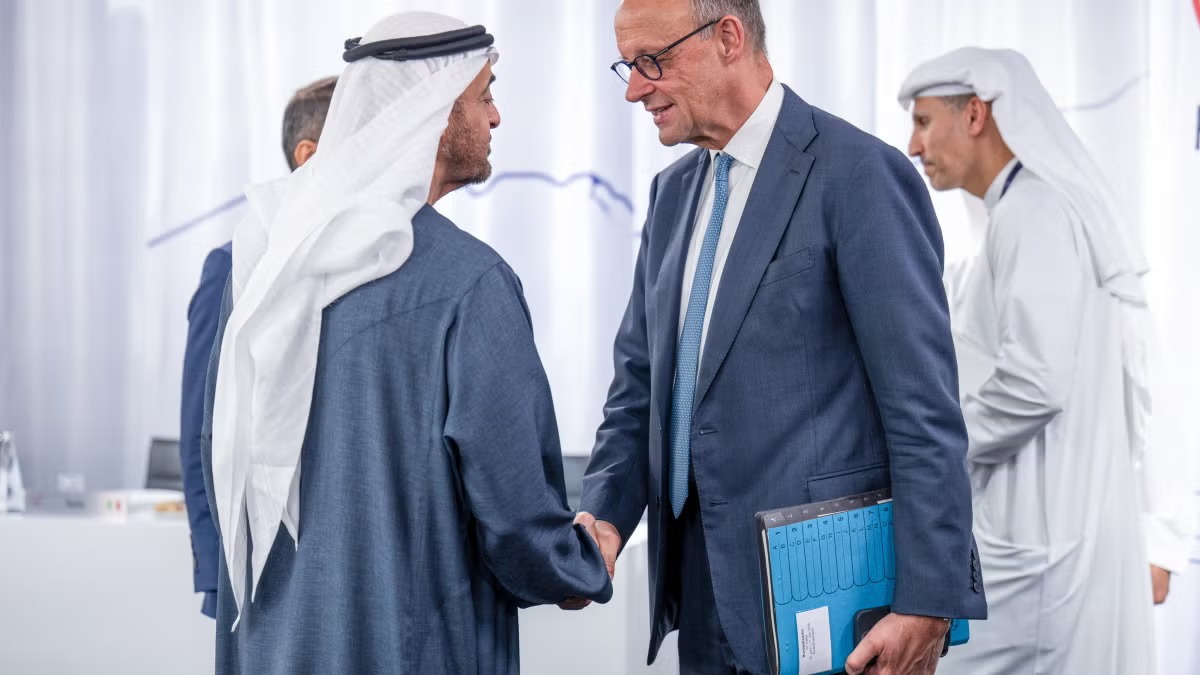
Human Rights Watch has called on German leaders to raise concerns about human rights issues and the conflict in Sudan when United Arab Emirates President Sheikh Mohamed bin Zayed Al Nahyan visits Berlin this week.
The appeal comes ahead of meetings between the UAE leader and senior German officials, including Chancellor Friedrich Merz and President Frank-Walter Steinmeier. The discussions are expected to focus on economic cooperation, investment, regional security, and international affairs.
Human Rights Watch said Germany should use the visit as an opportunity to address concerns about the UAE’s domestic human rights record and allegations regarding its role in the conflict in Sudan.
The organization argued that Germany has played a leading role in international efforts to investigate abuses linked to the Sudan conflict and should continue to support accountability measures. Rights advocates say Berlin’s commitment to human rights should remain a central part of its foreign policy discussions.
Attention has focused on a recent report by a United Nations fact-finding mission examining the conflict in Sudan. The investigation documented allegations regarding support provided to the Rapid Support Forces, one of the main parties involved in the war that has devastated large parts of the country since 2023.
According to the report, investigators found evidence that individuals and entities linked to the UAE played a role in networks involved in recruitment, financing, transportation, and military-related support connected to the Rapid Support Forces. The UAE has repeatedly denied allegations that it has provided support to the group.
The conflict in Sudan has become one of the world’s most serious humanitarian crises. Millions of people have been displaced, while widespread reports of violence, hunger, and human rights abuses have drawn international concern.
Human Rights Watch has also pointed to previous findings regarding private military contractors operating in Sudan. The organization has called on European governments to examine allegations involving companies and individuals accused of supporting military activities linked to the conflict.
Rights advocates are urging European policymakers to consider targeted measures against entities found to be involved in violations of international law. They have also called for stronger efforts to prevent weapons and military support from reaching armed groups accused of committing abuses.
Beyond Sudan, Human Rights Watch has raised concerns about the domestic human rights situation in the UAE. The organization has documented restrictions on freedom of expression, limits on political dissent, and legal actions taken against activists and critics.
According to rights groups, several human rights defenders and dissidents remain imprisoned following legal cases that international organizations have criticized. Human Rights Watch has specifically called for the release of prominent activist Ahmed Mansoor, who has been detained for several years.
The UAE has consistently defended its legal and security policies, arguing that its actions are aimed at protecting national stability and public safety. Emirati officials have often rejected criticism from international rights organizations and emphasized the country’s economic development, modernization efforts, and regional role.
The debate comes at a time when Germany and the UAE are strengthening economic ties. Reports suggest that both countries may announce new investment initiatives during the visit. Economic cooperation between the two nations has expanded in recent years across sectors including energy, technology, infrastructure, and trade.
The visit is also expected to include discussions related to security cooperation and business partnerships. German companies maintain significant commercial interests in the Gulf region, while the UAE remains an important economic partner for Europe.
Human Rights Watch argues that growing economic relations should not prevent governments from addressing concerns about human rights and international humanitarian law. The organization believes that issues involving Sudan and political freedoms should be part of official discussions between the two countries.
German officials have not publicly outlined the full agenda for the meetings. However, analysts expect regional conflicts, economic cooperation, and international security issues to feature prominently in talks.
As preparations continue for the high-level visit, the call from human rights organizations has added another dimension to the discussions. The meetings are likely to be closely watched by policymakers, business leaders, and rights advocates interested in how Germany balances strategic partnerships with its commitment to human rights and international accountability.

