


The United Arab Emirates says it will remain a reliable energy supplier to Europe and the rest of the world despite months of regional tension. A senior energy official says the country’s diverse energy mix and export routes have helped keep supplies moving during the crisis.
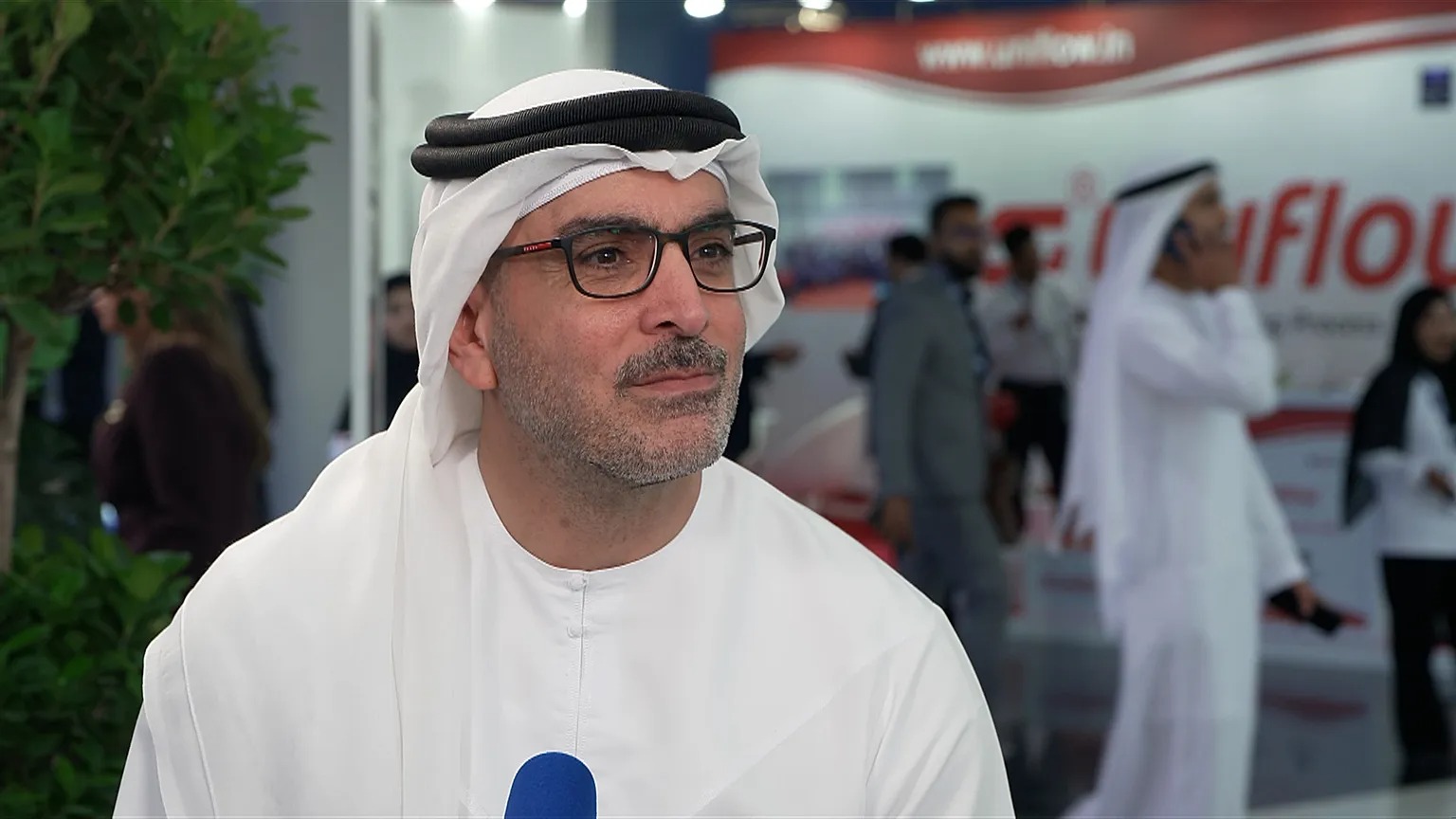
Sharif Al Olama, the UAE’s Undersecretary of Energy and Petroleum Affairs, shared the assessment during an interview with Euronews at the ADIPEC energy conference in Abu Dhabi.
He said the country’s oil exports had continued despite the difficult regional situation. The UAE is now using lessons from the crisis to improve its energy facilities and prepare for future risks.
Al Olama said the UAE had shown its ability to maintain energy supplies during a period of major pressure. He admitted that the first months of the crisis had been difficult for the sector.
However, he said years of planning and investment had helped the country keep its energy systems running. One of the most important decisions was to build a wider mix of energy sources rather than depend on a single type of fuel.
The UAE has invested in nuclear power, solar energy and traditional fossil fuels. It is also developing hydrogen and other future energy sources.
Al Olama said this strategy had helped keep services running without major interruptions during the crisis. He described energy diversification as the right decision for protecting the country’s supply system.
The UAE has also invested in different routes for exporting oil. These routes have helped the country continue sending supplies to international customers despite regional disruption.
Al Olama said further improvements were expected over time. He added that the experience had shown the need for stronger facilities, suitable production capacity and backup systems.
The government is now using those lessons when planning new energy projects. Future facilities will need to handle unexpected pressure and remain operational during emergencies.
The issue has become more important as tensions linked to the US-Iran war continue to raise concerns about possible military action in the region. Senior officials attending ADIPEC discussed the risk of renewed strikes, even as diplomatic efforts continued.
For Europe, the situation has highlighted the importance of secure energy partnerships with Gulf producers. The UAE wants to show that it can remain a steady supplier even when regional conditions become difficult.
Renewable energy is another major part of the country’s long-term strategy. Al Olama said the UAE now has about 8.2 gigawatts of solar power capacity.
The country plans to increase that figure to 20 gigawatts and expand further in the coming years. Several large solar projects are expected to come online as the UAE works towards its net-zero target for 2050.
Al Olama said the UAE was producing some of the world’s lowest-cost renewable electricity. He expects investment in solar power to continue as the country seeks to increase clean energy production.
The same 2050 net-zero deadline has been set by the European Union. This gives the UAE and European countries a shared goal, although their energy systems and challenges are different.
Another issue receiving attention at ADIPEC was the fast growth of artificial intelligence data centres. These facilities need large amounts of electricity to operate and cool their computer systems.
Al Olama described the growth in demand as extremely rapid. He said the rise in AI use was creating a major challenge for energy planners around the world.
The UAE is looking at several ways to manage this demand. Improving efficiency is a key part of the plan.
Al Olama pointed to examples where AI tools have reduced electricity use at some data centres by as much as 40%. He said better planning for expansion, cooling systems and existing infrastructure would also help control demand.
The UAE is also considering ways to rate data centres based on energy efficiency and climate impact. Such standards could help companies use power more carefully as their facilities grow.
Al Olama said Europe and the UAE could learn from each other rather than follow a one-way model. He noted that European governments already have useful experience in areas linked to energy planning and climate policy.
He said both sides were sharing ideas and discussing ways to improve their systems. The UAE wants to use international cooperation to support its energy transition while meeting the rising needs of its economy.
His message to Europe was clear. The UAE intends to remain a reliable energy partner and continue building long-term strategic relationships.
The country faces pressure from regional conflict, rising electricity demand and the need to cut emissions. Yet its officials believe a diverse energy mix, stronger infrastructure and new investment can help manage these challenges.
As the UAE expands solar power and prepares for higher demand from AI, it is seeking to balance energy security with its climate goals.

