


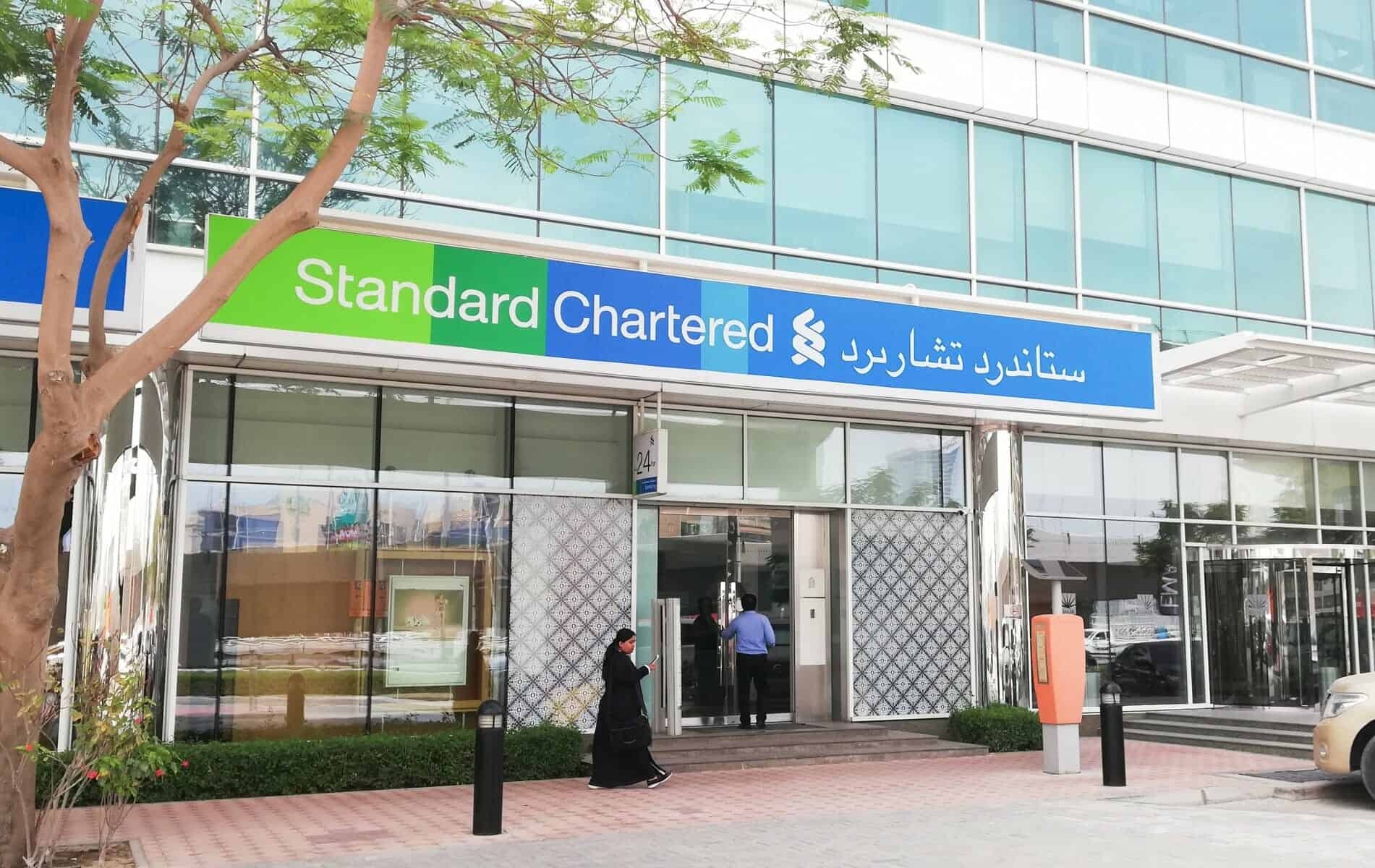
The United Arab Emirates has strengthened its position as a growing hub for digital assets after Standard Chartered expanded its institutional cryptocurrency trading services in the country. The move marks a significant development for the region’s financial sector and highlights increasing demand for regulated access to digital asset markets.
The international banking group announced that institutional clients in the UAE can now access deliverable spot trading for Bitcoin and Ether through its operations in the Dubai International Financial Centre. The launch makes the bank the first Global Systemically Important Bank to provide this type of institutional digital asset trading service in the country.
The new offering allows eligible institutional investors to buy and sell Bitcoin and Ether while taking ownership of the underlying assets when transactions are settled. This differs from products that provide only price exposure, as clients receive direct ownership of the cryptocurrencies involved in the trade.
The service operates through the bank’s Dubai International Financial Centre entity, which is regulated by the Dubai Financial Services Authority. Officials said the platform has been designed to work alongside existing banking infrastructure, giving institutional clients access to digital assets through systems they already use for foreign exchange and other financial activities.
The expansion builds on digital asset services already offered by the bank in the UAE. A digital asset custody solution launched in 2024 provides secure storage options for institutional clients seeking exposure to cryptocurrency markets. By combining trading and custody services, the bank aims to create a more complete offering for investors interested in digital assets.
Industry observers view the development as another sign of the UAE’s growing influence in the global cryptocurrency sector. In recent years, the country has introduced regulations aimed at attracting investment while providing legal clarity for financial institutions and digital asset companies.
Supporters of the regulatory framework argue that clear rules encourage innovation while helping institutions manage risk. The environment has attracted major international firms seeking to expand their presence in digital finance and blockchain-related services.
Bank executives pointed to the UAE’s regulatory approach as an important factor behind the decision to broaden operations in the country. Officials said the framework provides confidence for institutional participation and supports the continued development of digital asset markets.
The latest launch follows the bank’s earlier entry into institutional cryptocurrency trading in the United Kingdom. In 2025, the organization became the first globally significant bank to offer deliverable Bitcoin and Ether spot trading to institutional customers through its UK operations.
The UAE expansion reflects increasing interest among professional investors seeking regulated access to cryptocurrencies. Institutional demand has grown steadily as digital assets become more integrated into mainstream financial markets. Many investors now view regulated trading, custody, and settlement services as essential components of long-term participation in the sector.
Financial experts note that institutional involvement has become one of the key drivers of cryptocurrency market growth. Banks, investment firms, asset managers, and corporate clients are increasingly seeking infrastructure that meets traditional standards for governance, security, and compliance.
The new service allows clients to execute trades through familiar electronic platforms, reducing barriers that may have previously limited participation. Access through existing systems also simplifies operational processes and supports integration with broader investment strategies.
Dubai continues to play a central role in the UAE’s digital asset ambitions. The city has invested heavily in financial technology initiatives and has worked to establish itself as a destination for innovation in banking, blockchain, and digital finance.
Market analysts believe the arrival of additional institutional services could further strengthen the UAE’s reputation as a leading regional center for cryptocurrency activity. Increased participation from global financial institutions may also encourage greater confidence among investors and businesses exploring digital asset opportunities.
As the cryptocurrency industry continues to mature, regulated financial institutions are expected to play an increasingly important role in shaping market development. The latest expansion demonstrates how traditional banking organizations are adapting to changing investor demand while operating within established regulatory frameworks.
With institutional access to Bitcoin and Ether now available through a major international bank in the UAE, the country has taken another step toward becoming a significant player in the evolving global digital asset economy.

