


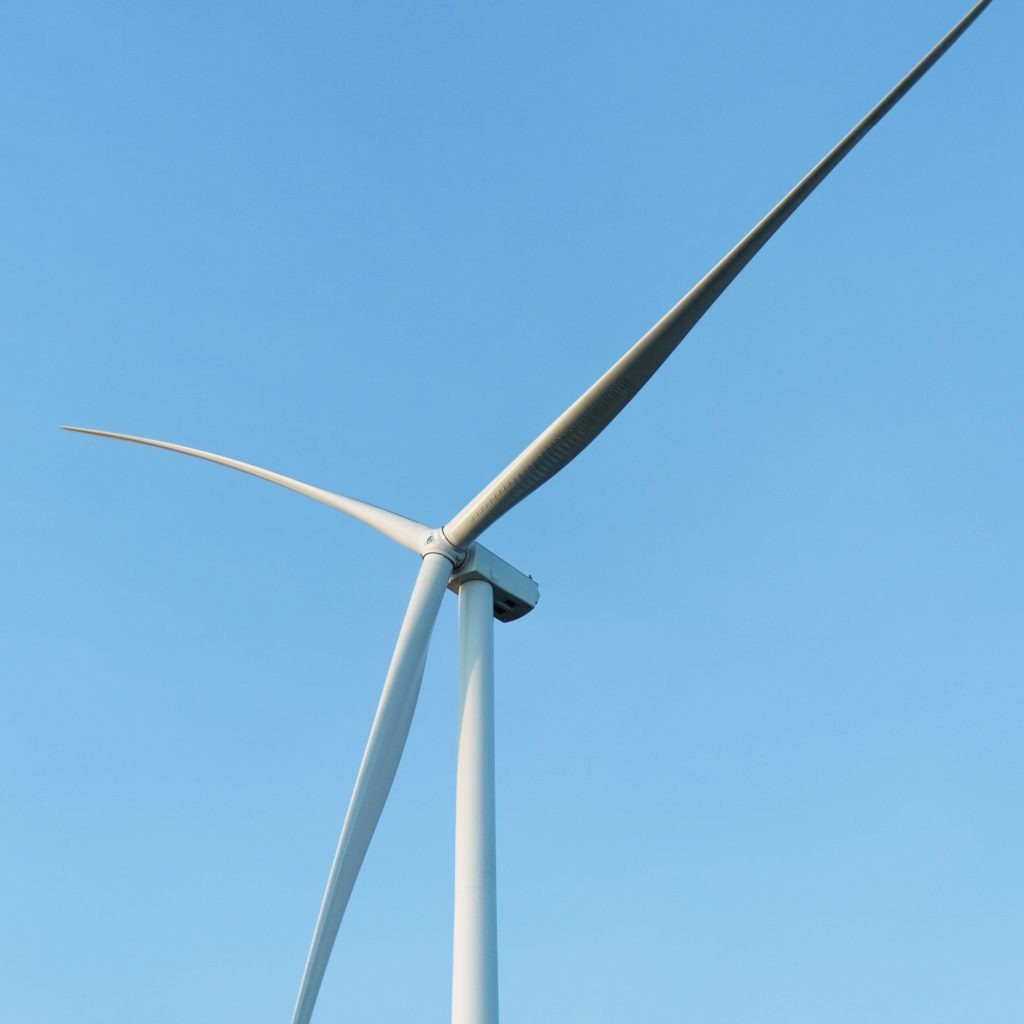
The United Arab Emirates has recorded a dramatic increase in renewable energy capacity over the past decade, highlighting the country’s growing commitment to clean power as it works to meet rising electricity demand and diversify its energy sector.
Government data shows that renewable energy capacity expanded from just 129 megawatts in 2015 to more than 8.2 gigawatts by 2025. The increase represents more than a 63-fold rise in renewable power generation capabilities within ten years.
Energy officials say the rapid expansion reflects a long-term strategy aimed at strengthening energy security, supporting economic growth, and reducing dependence on traditional power sources. The UAE has invested heavily in renewable energy projects while continuing to modernize its national electricity network.
The growth in clean energy has already made a significant contribution to the country’s power supply. In 2025, clean energy sources accounted for 32.4 percent of total electricity generation. National authorities are aiming to raise that figure to 35 percent by 2031 as additional renewable projects come online.
The increase comes at a time when electricity demand continues to rise across the UAE. Population growth, urban development, industrial expansion, and new technology investments are driving higher energy consumption throughout the country.
According to official figures, the UAE generated 192,735 gigawatt-hours of electricity in 2025. Total electricity consumption reached 174,524 gigawatt-hours during the same period, demonstrating the growing importance of maintaining a reliable and resilient power supply.
To prepare for future demand, the government has expanded its long-term energy planning efforts. Under the updated Energy Strategy 2050, the UAE intends to significantly increase the role of renewable energy in the national power mix while improving overall efficiency across the energy sector.
Officials expect investments in the energy industry to range between 150 billion and 200 billion dirhams over the coming years. These investments are designed to support new generation projects, strengthen electricity infrastructure, and ensure that the country can meet future power needs.
Energy leaders say progress has been achieved through a combination of renewable power development, grid modernization, and technological innovation. Investments in advanced monitoring systems and digital tools are helping operators manage electricity flows more effectively and respond quickly to changes in demand.
Modern grid technology has become an important part of the country’s energy transition. Digital systems allow operators to monitor performance in real time, improve reliability, and integrate larger amounts of renewable electricity into the national network.
The UAE has also established ambitious environmental targets as part of its broader energy strategy. One key goal is reducing the grid emission factor to 0.27 kilograms of carbon dioxide per kilowatt-hour by 2030. Officials believe achieving this target would place the country among nations with comparatively lower emissions from electricity generation.
Renewable energy is only one part of the UAE’s wider clean-energy portfolio. The country has adopted a diverse approach that includes solar power, wind energy, nuclear energy, concentrated solar technologies, and waste-to-energy facilities.
This strategy is intended to provide multiple sources of clean electricity while improving long-term energy security. By combining different technologies, the UAE hopes to reduce reliance on any single source of power and create a more balanced energy system.
Installed clean-energy capacity reached 13,805 megawatts in 2025, reflecting continued growth across several renewable and low-emission technologies. Electricity generation from clean sources also continued to increase as new projects entered operation.
Officials credit the progress to cooperation among government agencies, utility providers, national energy companies, and private-sector partners. Joint planning and investment have played a major role in expanding the country’s renewable energy infrastructure.
A major development in grid management has been the creation of the Emirates Monitoring Centre. The facility serves as a national platform for real-time oversight of the integrated electricity network.
The center links the country’s four electricity utilities and allows operators to monitor system performance across a broader area. Officials say this improves coordination and helps maintain stable electricity supplies during periods of changing demand.
The UAE’s renewable energy transformation represents a significant shift for one of the world’s major oil-producing nations. While hydrocarbons remain an important part of the economy, the country is steadily increasing investment in cleaner energy sources to support sustainable growth.
As renewable capacity continues to expand and infrastructure upgrades move forward, the UAE is positioning itself to meet future electricity needs while reducing emissions and strengthening the resilience of its energy system.

