


Algeria has closed its airspace to all civilian and military aircraft registered in the United Arab Emirates, a move that reflects a sharp deterioration in relations between the two countries despite having little immediate impact on commercial aviation.
The restriction took effect at midnight on September 11, following an announcement by Algeria’s Ministry of Defence a day earlier. The decision came after Algeria formally severed diplomatic relations with the UAE, marking one of the most significant political breaks between the two Arab nations in recent years.
While the measure appears dramatic, aviation experts note that its practical effect on air travel is limited because direct airline operations between the countries had already largely ended months ago.
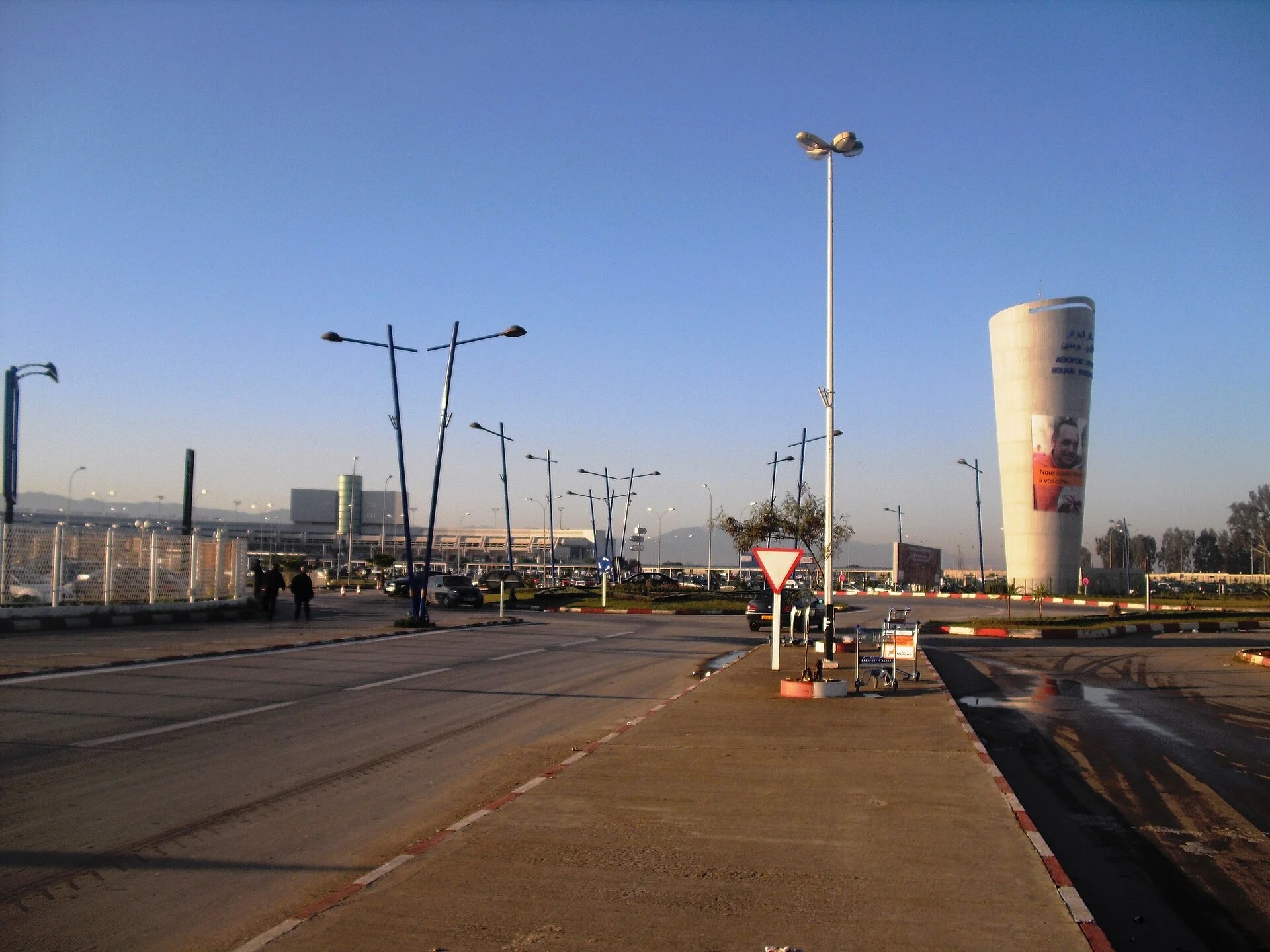
Under the new order, all Emirati-registered civilian and military aircraft are barred from Algerian airspace. However, authorities included one temporary exception. Commercial flights operating to and from Houari Boumediene International Airport in Algiers will continue until the end of 2026.
Algerian officials said the exemption is linked to an existing contract, although they did not identify the agreement or provide further details about its terms.
The announcement has attracted attention because of its symbolic significance rather than its effect on airline schedules.
Industry observers describe the decision as a diplomatic message delivered through aviation policy. The closure demonstrates Algeria’s willingness to use airspace access as a political tool following the breakdown in relations with Abu Dhabi.
In reality, very few UAE aircraft were still operating in Algeria when the measure was introduced.
The process of reducing aviation links between the two countries began months earlier. In February 2026, Algeria informed the UAE’s General Civil Aviation Authority that it was ending the bilateral air services agreement signed in 2013.
Such agreements are essential to international aviation because they establish the legal framework that allows airlines to operate routes between countries. They determine flight rights, frequencies, and operational conditions.
Once a bilateral agreement is terminated, airlines generally lose the legal authority to continue services unless alternative arrangements are reached.
The cancellation of the 2013 agreement effectively marked the beginning of the end for direct commercial air links between Algeria and the UAE.
At the time, Emirates indicated that flights between Dubai and Algiers would continue for a limited period. However, available flight-tracking data suggests operations ended much sooner than expected.
Records show the last Emirates service between Dubai and Algiers appears to have operated in March 2026. No other UAE-based airline currently serves the Algerian market.
As a result, when Algeria announced the airspace closure, there were no active Emirati passenger services regularly operating to the country.
That reality has led analysts to view the move primarily as a political signal.
Airspace restrictions are often used during periods of diplomatic tension because they provide governments with a visible way to demonstrate opposition without immediately affecting broader economic activity.
The latest decision follows Algeria’s announcement that it was cutting diplomatic ties with the UAE. Officials have not publicly provided detailed reasons for the rupture, but the move reflects growing disagreements that have emerged between the two governments.
Diplomatic breaks of this kind can affect cooperation in areas such as trade, investment, transportation, and regional security. However, the immediate consequences for travelers are expected to remain limited because commercial aviation links had already been significantly reduced.
For the aviation industry, the development highlights how air transport can become intertwined with international politics. Airlines and aviation authorities often depend on diplomatic relations and bilateral agreements to maintain international routes.
When political disputes escalate, aviation agreements are frequently among the first areas affected.
The Algerian decision therefore serves as a reminder that access to airspace and international flight rights remains closely tied to government relations.
Although the closure is unlikely to disrupt airline networks or passenger travel in the short term, it carries strong symbolic value. By restricting access to its skies, Algeria has underlined the seriousness of its diplomatic dispute with the UAE.
With direct flights already gone and aviation agreements terminated, the latest measure appears less about changing travel patterns and more about sending a clear political message as relations between the two countries continue to deteriorate.

